

Pregnancy is a beautiful journey, but it can bring unexpected skin changes. From breaks to dark areas and dryness, many women start searching for pregnancy-safe skincare in pregnancy face products for pregnancy-safe face products that really work and keep their baby safe.
If you’re wondering, can you use retinol during pregnancy, or can you use hyaluronic acid when pregnant, this complete guide will give you dermatologist-style answers. We’ll also cover skin products safe for pregnancy, label-reading tips, and figure out a simple pregnancy skincare routine you can follow worldwide.
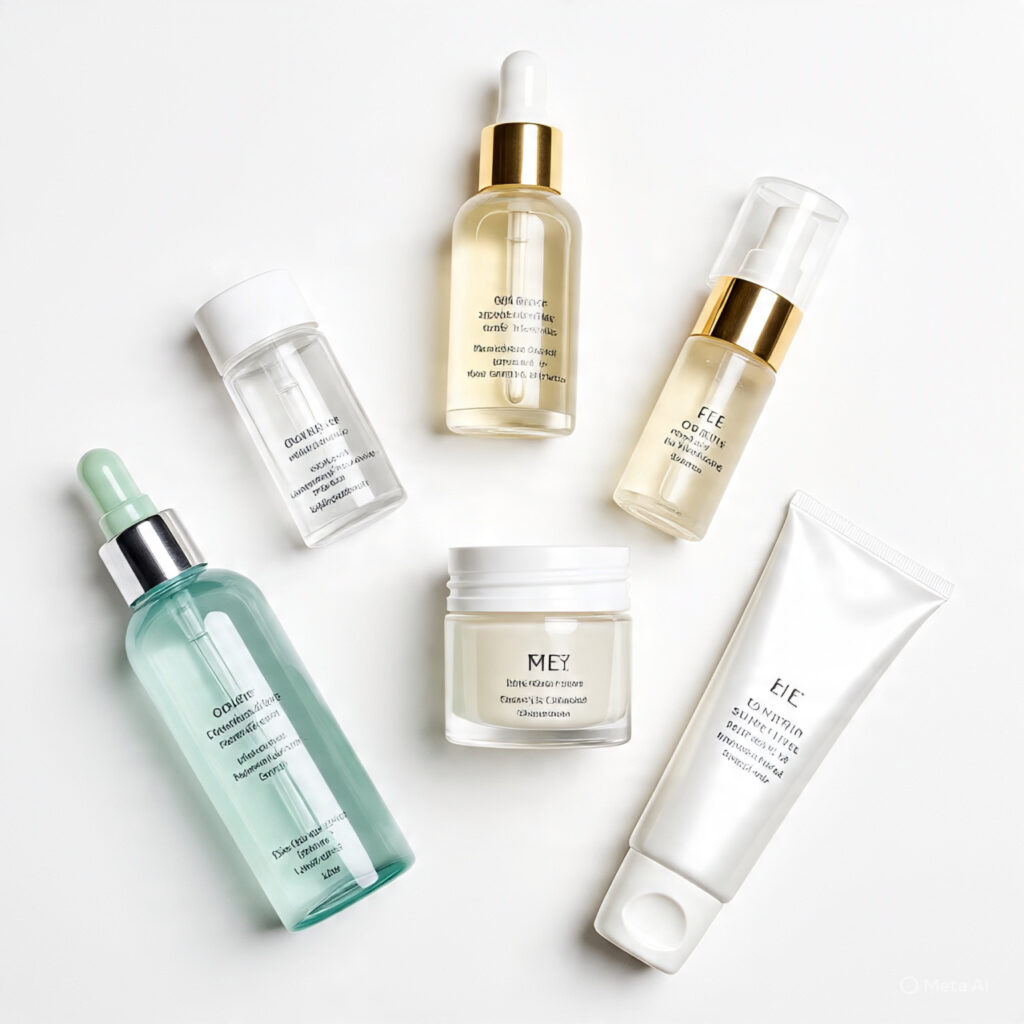
Hormones shift fast in pregnancy. These changes can cause:
That’s why selecting pregnancy-safe skincare materials is important. Some ingredients are absorbed into the bloodstream, while others stay external and are considered safe in pregnancy.
A well-balanced pregnancy skincare routine emphasizes the following:
Short answer: No.
If you’re inquiring, can you use retinol during pregnancy? Dermatologists and obstetricians powerfully guide against it.
Retinoids (including adapalene, tazarotene, isotretinoin, retinol, and tretinoin) are vitamin A derivatives. Oral isotretinoin is known to cause birth defects. While interesting, retinol absorbs less; specialists endorse avoiding all retinoids for safety.
So, for safe skincare during pregnancy, skip:
Yes, unconditionally.
If you’re wondering, can you use hyaluronic acid when pregnant? The answer is yes. Hyaluronic acid is one of the top pregnancy-safe ingredients for hydration. It sits down on the skin and does not enter awfully into the movement.
It helps:
Perfect for dry, stretched pregnancy skin.
Not all of them.
Many skin products safe for pregnancy exist, but some contain skincare ingredients to avoid during pregnancy. That’s why label reading is important.
When in doubt:
A simple routine works best. Here’s a worldwide-friendly pregnancy skincare routine:
Look for:
Avoid strong exfoliating washes with high-dose salicylic acid.
A good pregnancy-safe moisturizer should contain the following:
It should be:
A rich moisturizer supports the skin barrier, especially if you have sensitive skin or dry skin.
Sun protection is serious for melasma and hyperpigmentation.
Choose:
These are considered safe skin care products while pregnant and help stop dark patches from worsening.
Includes:
These vitamin A results are related to birth imperfection risks (especially oral forms). Avoid completely during pregnancy.
Used for hyperpigmentation and melasma. However, hydroquinone has high absorption rates through the skin.
Better alternative: Vitamin C or azelaic acid.
Often hidden under “fragrance.”
Phthalates may upset hormones. Choose fragrance-free skincare to reduce irritation.
Found in some nail and beauty products.
Look for:
Avoid these to safeguard a safer pregnancy-safe skincare routine.
Low-dose salicylic acid in cleansers may be suitable.
But avoid high-strength chemical coverings or oral forms.
If treating pregnancy acne, look up your doctor first.
Includes:
These are not suggested in pregnancy and can affect fetal development.
These medications affect hormones and are not safe during pregnancy.
Also avoid:
These are standard pregnancy-safe ingredients.
They:
If you’re building pregnancy-safe face products, these should be involved.
For pregnancy acne:
Always get an obstetrician’s guidance for severe acne.
Safer options:
These help hyperpigmentation without hydroquinone.
Choosing safe skin care products while pregnant doesn’t have to be hard.
Look for:
If you see these, avoid.
Watch for:
Fragrance-free skincare is a safer choice.
Look up a board-certified dermatologist if
Dermatologist-approved pregnancy skincare offers an additional guarantee.
✔ Avoid retinoids
✔ Skip hydroquinone
✔ Avoid tetracycline antibiotics
✔ Select organic sunscreen SPF 30+
✔ Use hyaluronic acid & ceramides
✔ Pick fragrance-free skincare
✔ Look up your OB-GYN when uncertain
Selecting pregnancy-safe skincare doesn’t need to be demanding. Focus on gentle, simple, and dermatologist-approved pregnancy skincare choices.
By following this guide, you can surely build a safe, active pregnancy skincare routine with safe skincare products while pregnant that keeps both you and your baby safe, anywhere in the world.
Start by removing retinoids, hydroquinone, high-dose salicylic acid, tetracycline antibiotics, spironolactone, and finasteride.
A simple routine should include:
Optional: Vitamin C or azelaic acid.
Yes. Niacinamide is usually considered safe in pregnancy and helps with redness, oil control, and barrier repair.
Most dermatologists mention waiting until after breastfeeding before starting again with retinol. Always confirm with your doctor.
Low doses are usually suitable for short-term use, but consult your doctor.
Some important oils may cause irritation or sensitivity. Avoid strong, important oil blends and select gentle formulas.
Use:
Sun protection is the most important step.
No comments yet. Be the first to comment!
You must be logged in to post a comment.

Recent Comments