
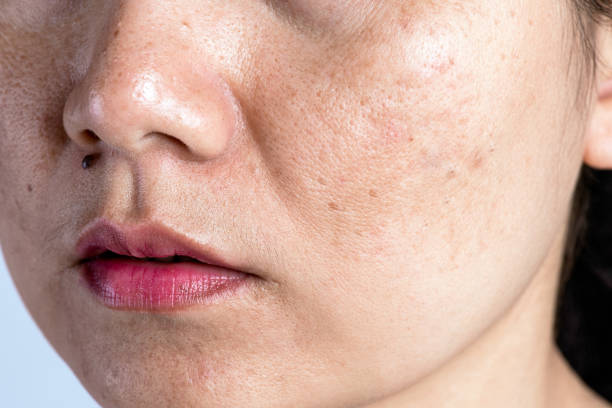
Oily Skin Routine with a shiny T-zone by midday, makeup that blurs off, and pores that look larger than you want, you’re not failing; your skin is just creating more oil than normal. The fix isn’t “scrub harder” or “wash ten times.” The fix is a repeatable Oily Skin Routine that controls excess sebum without wrecking your skin barrier. Skin doctor also stresses mild cleansing (up to twice daily and after sweating) and selecting products considered oil-free and noncomedogenic.
This guide gives you an easy AM/PM routine, a weekly plan, and a smart way to choose face products for oily skin, plus answers to the exact questions people ask on Google.
Use this specification as your daily “no confusion” plan, perfect for skincare routine, oily search intent, and a modest weekly skin care routine you can really follow.
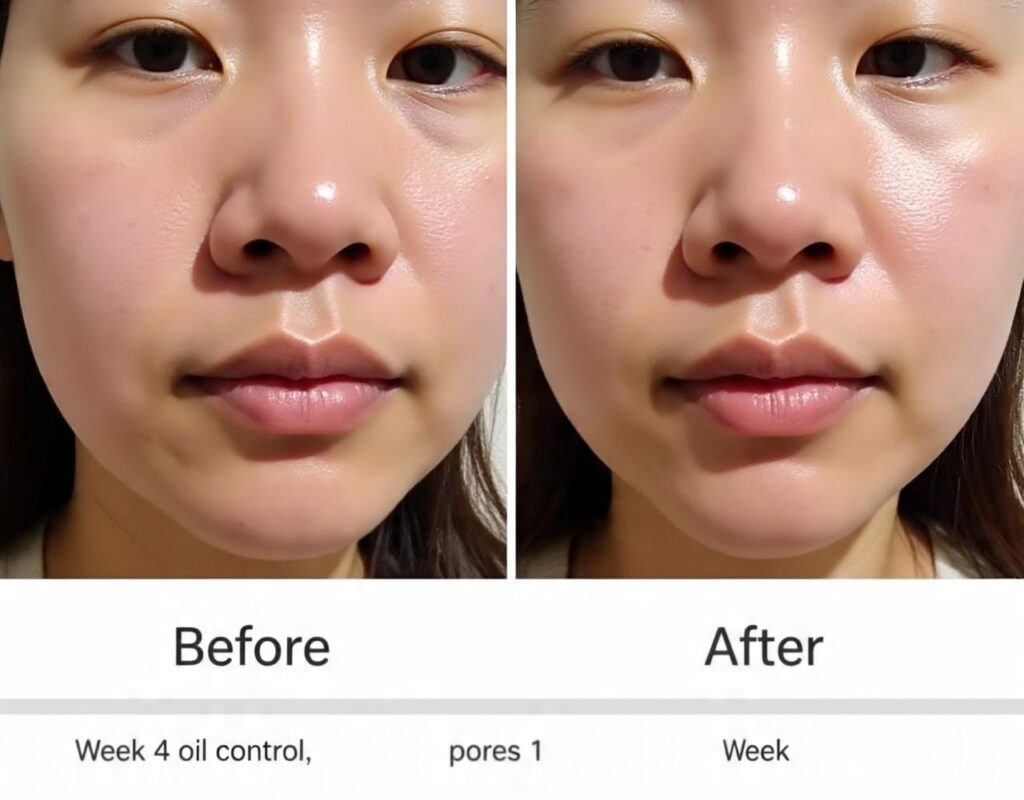
Oily Skin Routine occurs when the sebaceous glands make more oil than your face can easily handle. Oil isn’t “bad”; it defends and softens skin. But too much oil can mix with dead skin cells, causing inflamed breakouts, whiteheads, blackheads, clogged pores, and pore congestion.
Common reasons oily skin gets worse:
The goal of good skincare for oily skin is balance: to maintain hydration, calm inflammation, and clear pores, without leaving a greasy film.
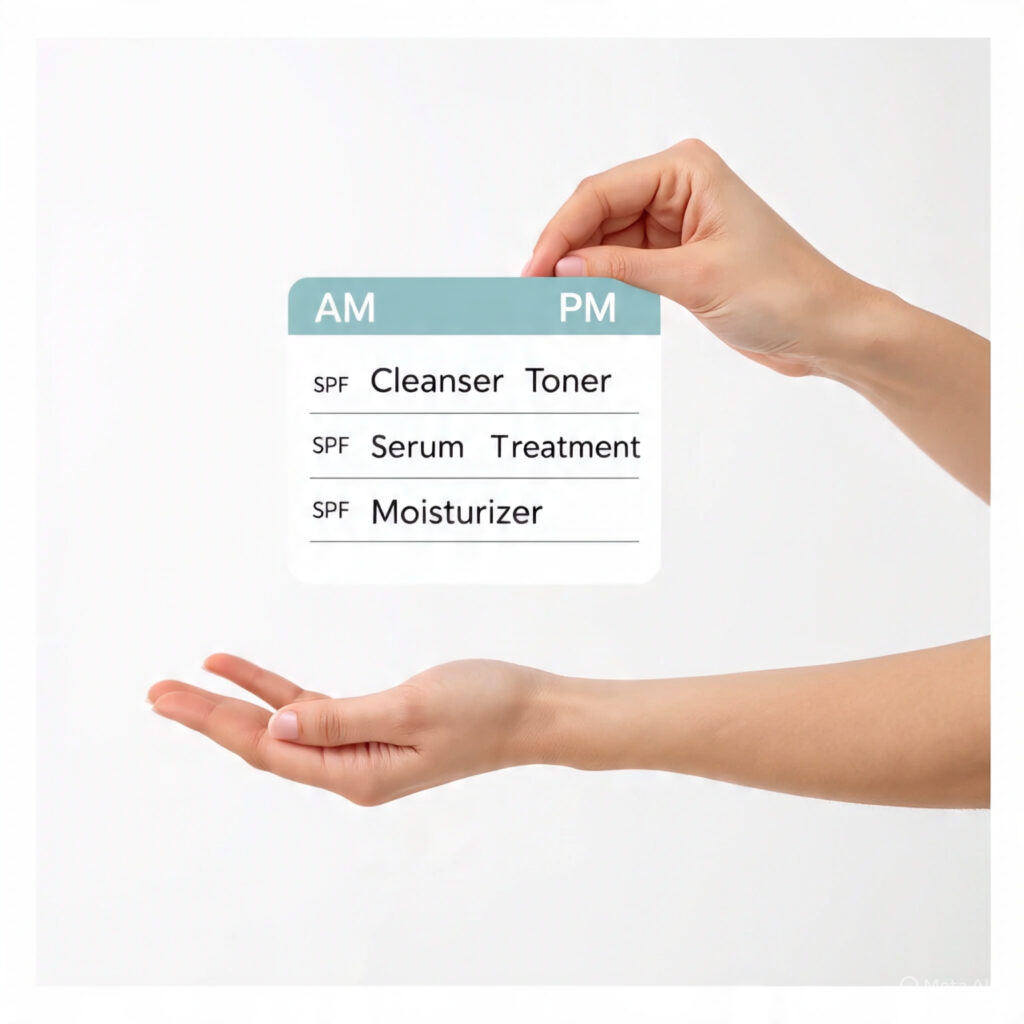
This is your essential skincare routine for oily skin. Keep it simple for 2–4 weeks before you add extra steps.
Start with a gentle cleanser that removes oil, sunscreen, and grime without the “high-pitched tight” feeling. Dermatologists mention cleansing up to twice daily and after perspiration, and avoiding scrubbing because it can annoy skin and make it look dull.
Helpful ingredients
Mini rule: If your face feels high-pitched or tingles after washing, your cleanser is too harsh.
A toner isn’t compulsory, but it can be a huge upgrade for skin care for oily skin. It helps remove leftover residue after cleansing and supports a cleaner, more even feel.
Choose an alcohol-free toner
Alcohol can feel “dry and clean” for five minutes, then rebound oil often follows. A gentler alcohol-free toner is better for daily use.
Ingredients that make sense
If your skin is sensitive, go fragrance-free and keep it simple: one soothing toner, not a mixture of actives.
This step is where acne-prone oily skin care becomes beneficial and effective.
Pick ONE main treatment at a time:
The American Academy of Dermatology notes that ingredients like salicylic acid, glycolic acid, and lactic acid can help reduce oiliness, but they may be too harsh for some people. Reduce use if you get annoyed.
If you want brightening too
A lightweight vitamin C serum can support a stronger, more even look (think dryness and post-acne marks). Vitamin C is also an antioxidant that helps protect from daily environmental stress. Pair it with a gentle routine so you don’t overload your skin.
Optional add-on for discoloration:
Yes, oily skin wants moisturizer. Skipping it can cause your skin to overproduce oil to compensate. Many dermatology and skincare sources replicate this because it’s one of the most common oily-skin faults.
What to look for
Great ingredients for oily skin
Think of moisturizer like “hydration management,” not “adding grease.”
Sunscreen is inflexible. It avoids early aging, uneven tone, and dark spots. For oily skin, pick:
CeraVe also highlights sun defense as a key final step and notes that sun exposure can dry the skin, actually leading to more sebum production.
If shine is your biggest issue, select a mattifying sunscreen.
This sector is for product-intent explorations: top skin care products for oily skin, skin products for oily skin, face products for oily skin, and even cosmetics for oily skin.
Cleansers for Oily Skin (gel/foaming, salicylic, gentle options)
Best bets:
Avoid harsh scrubs that scratch the skin. Irritation can increase redness and breakouts.
Exfoliation helps, but elaboration has its blowbacks.
Start 2–3 times weekly, then regulate. If you’re getting redness, burning, or peeling, reduce frequency.
Sensitive alternative:
Smart serum choices for oily skin:
If you use a retinol at night, keep your morning routine calmer (don’t stack too many actives).
You want “light but enough.” The sweet spot is:
If your face becomes oily but feels tight, that’s often dehydration; hydration helps more than stripping.
Makeup can work with oily skin if you select intelligently.
If you want makeup to last, the basics matter more than hacks:
clean base → light moisturizer → SPF → primer (optional) → thin foundation → set.
A weekly routine should support your daily routine, not conflict with it.
A simple list for most oily skin types:
If you get annoyed, use it less often. AAD warns that these acids can be too harsh for some people.
Clay masks help absorb oil and clean the pores.
Look for:
Many routines mention clay masks once or twice weekly; some recommend more for very oily skin, but dryness is a sign to decrease.
Skip clay masks if:
Always follow a clay mask with hydration (hyaluronic acid serum or a light moisturizer).
These mistakes are why people feel stuck with greasy skin.
If you’re oily and you also feel tight, your routine is likely too harsh.
Use this quick choice tree.
If your main issue is blackheads/whiteheads + clogged pores:
If your main issue is inflamed pimples:
If acne is painful, cystic, or leaves scars:
Yes. Oily skin can still be dry. A lightweight, oil-free, non-comedogenic moisturizer helps decrease recoil oil and supports the barrier.
Washing too often can dry the skin and trigger more oil. Dermatologists recommend cleansing up to twice daily and after sweating.
A strong core is: salicylic acid (BHA), niacinamide, gentle hydrators like hyaluronic acid, and a daily broad-spectrum SPF. AAD also lists salicylic, glycolic, and lactic acids as options that may help reduce oiliness (but can irritate some skin).
Yes, exclusively heavy or comedogenic formulas. Choose oil-free, non-comedogenic makeup and consider mattifying or setting steps for shine control.
Most people do best at 2–3 times per week, not daily. Start low and increase only if your skin stays quiet. (If you get annoyed, reduce.)
Yes, clay masks can help absorb extra oil. Use them 1–2 times weekly and decrease if your skin feels dry or tight.
Pick an oil-free, non-comedogenic sunscreen with broad-spectrum protection. Many people with oily skin prefer mattifying finishes to reduce shine.
No comments yet. Be the first to comment!
You must be logged in to post a comment.

Recent Comments