
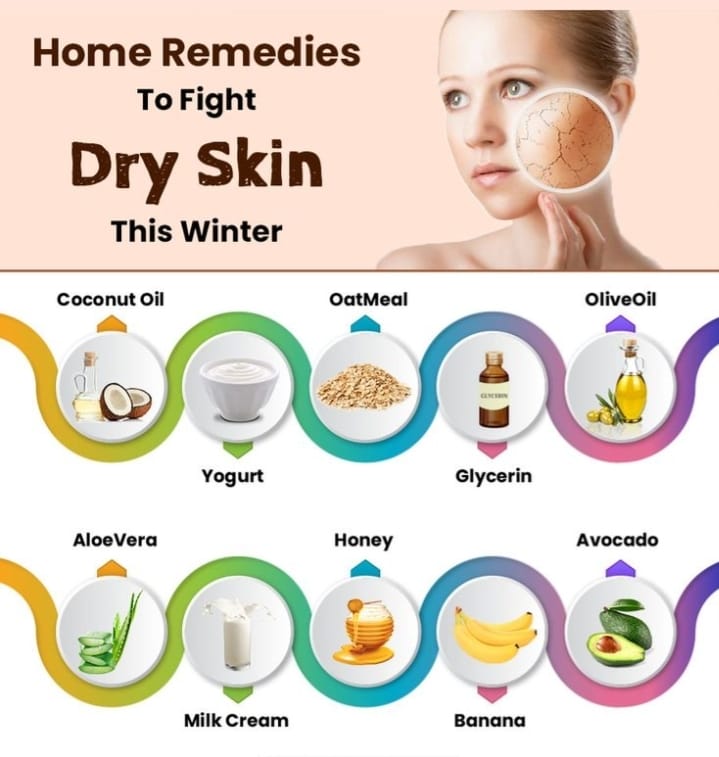
Dry skin sounds simple, but anyone who agrees with it knows it can take over your day. Tightness after washing your face. Dirty legs, no matter how much lotion you use. Hands that crack in winter and tingle when you touch water. It’s rough and sometimes even painful.
Medical experts call it xerosis. Most of us just call it persistent dry skin.
It occurs when your defensive skin fence becomes weak. Hot showers, cold weather, air conditioning, harsh soaps, aging, and even stress slowly strip away natural oils. Once that layer breaks down, moisture leaks faster than your skin can absorb it. That’s why many people feel like they’re continuously dehydrated.
Store-bought creams help, but they often act like temporary bindings. Natural medications go deeper. They support skin care, repair the barrier, and feed your skin nutrients it identifies.
This guide focuses on homemade skin care that actually works, gentle, inexpensive solutions that support skin care for dry, sensitive skin without harsh elements. If you’re searching for a long-term treatment for dry skin, these medications are practical, truthful, and supported by real-world use.
Sunflower oil doesn’t get the attention like coconut oil, but skin doctors often recommend it silently. It’s lightweight, non-greasy, and full of vitamin E. That means it helps repair the skin barrier without clogging pores.
The key is how you use it.
Massage oils into damp skin right after bathing. When skin is slightly wet, oils trap water inside, in place of allowing it to dissolve. This simple trick changes sunflower oil into a powerful natural skin moisturizer for dry skin.
For broken nails or heels, apply a thicker sheet at night and cover with cotton gloves or socks. By morning, skin typically feels easier and soothed. It works particularly well as an organic moisturizer for dry skin if you favor fragrance-free care.

Coconut oil is well-known for a reason. It’s rich in greasy acids that intensely hydrate and protect dry, flaky skin.
If your legs feel irregular or tight, apply coconut oil before bed. This instant remedy seals wetness into the skin while you sleep. Many people pointed out how to get rid of dry skin on legs overnight and see observable development after just a few nights.
Squeeze the oil slightly between your hands, massage it into damp skin, and dress in loose cotton clothing. It’s one of the simplest creams for skin dryness home remedies that needs no socializing or training.
Rotate 2–3 remedies weekly so your skin stays balanced.
Oatmeal isn’t just a feast food. Colloidal oatmeal is broadly used in dermatology for itchy, irritated skin.
An oatmeal bath for dry skin helps calm inflammation, reduce redness, and support skin healing. Grind plain oats into powder and mix into warm bath water. Soak for 15–20 minutes.
It feels soothing, right?
Oatmeal is perfect for skin care for dry, sensitive skin because it supports the defensive barrier. You can also mix oatmeal with yogurt for a gentle home facial mask that hydrates without uncovering oils.
Honey is a natural humectant. It pulls moisture into the skin and saves it there. Glycerin improves that effect.
Use a honey and glycerin mask by mixing equal parts and applying it to clean skin for 15 minutes. Solution with cool water. The result is skin that feels smooth, flexible, and hydrated.
This mask works attractively as a natural homemade skin moisturizer for dull or flaky areas. Honey also has anti-inflammatory properties that help irritated skin improve faster.
Aloe vera is cooling, calming, and extremely hydrating. It engages rapidly and doesn’t feel heavy, making it perfect for daytime use.
Apply fresh gel as an aloe vera instant treatment on dry patches. It maintains the skin barrier while you sleep.
Aloe acts as an organic moisturizer and is outstanding for people with redness, sensitivity, or sunburn. Always patch test new medications before applying them to large areas.
Avocado is rich in healthy fats, antioxidants, and vitamins that feed dry skin.
Mash avocado and mix it with yogurt to make a creamy mask. Apply for 20 minutes. Rinse gently. Skin feels softer and more desirable directly.
This mask is one of the best natural skin moisturizers for dry skin options through the winter months when dehydration is common. It’s a favorite in homemade skin care practices focused on deep nourishment.
Olive oil and almond oil are classic skin remedies used for various areas. They soften rough coverings and reduce fights.
Massage oils into moist skin after showering. Slather moisturizer after showering to seal hydration. These oils are seamless for extremely dry hands and feet.
Apply vitamin E oil straight to persistent areas for faster recovery. For cracked heels, cover treated areas with socks overnight.
If you’re searching for a fast treatment for dry skin, this oil mixture is one of the most consistent.
Petroleum jelly doesn’t hydrate on its own; it locks moisture in. Think of it as a safeguard.
Apply aloe or oil first, then cover with petroleum jelly. This is one of the strongest overnight remedies for cracked hands and heels.
It works particularly well as a defensive cream for skin dryness, serving as a home remedy during cold weather.
Dead skin blocks hydration. Gentle exfoliation eliminates that fence.
Mix sugar or oatmeal with olive oil and gently massage the mixture once a week. Avoid violent scrubbing. Over-exfoliation damages the skin barrier.
Fruit enzymes from papaya or pineapple act as expected exfoliants. They make the skin more likely to engage with moisturizing creams more efficiently.
Hydrate by drinking water reliably. Internal hydration supports exterior skin moisture. Use a humidifier for skin humidity in dry temperatures.
Brew tea bags for skin release, and apply cooled green tea to the affected areas.
Avoid harsh soaps and hot water. These are natural oils. Use mild cleaners planned for skin care for dry, sensitive skin.
Limit exfoliation to once weekly.
Nighttime is overhaul time. Use overnight masks, apply coconut oil before bed, and select silk pillowcases to decrease friction. Cover preserved areas with socks or gloves for deep remedial.
If dryness leads to bleeding, infection, or severe itching, refer to a dermatologist. Long-lasting xerosis may indicate eczema or remedial settings needing treatment.
Most people feel improvement within 2–3 days. Deep cracks may take 1–2 weeks.
Yes. Combine hydration masks with oil sealing for stronger results.
Generally, yes, but always patch test new remedies.
Petroleum jelly layered over coconut oil.
No, but it requires consistent care.
It helps, but topical care is equally important.
Once weekly for dry skin.
Dry skin doesn’t need luxurious treatments. Simple homemade skin care routines with oils, honey, aloe, and oatmeal can convert rough skin into soft, healthy skin.
Reliability matters more than crops.
Defend the skin fence. Nourish it daily. Hydrate exclusively and out. With gentle care, your skin can stay calm, smooth, and hardy year-round.
No comments yet. Be the first to comment!
You must be logged in to post a comment.

Recent Comments