
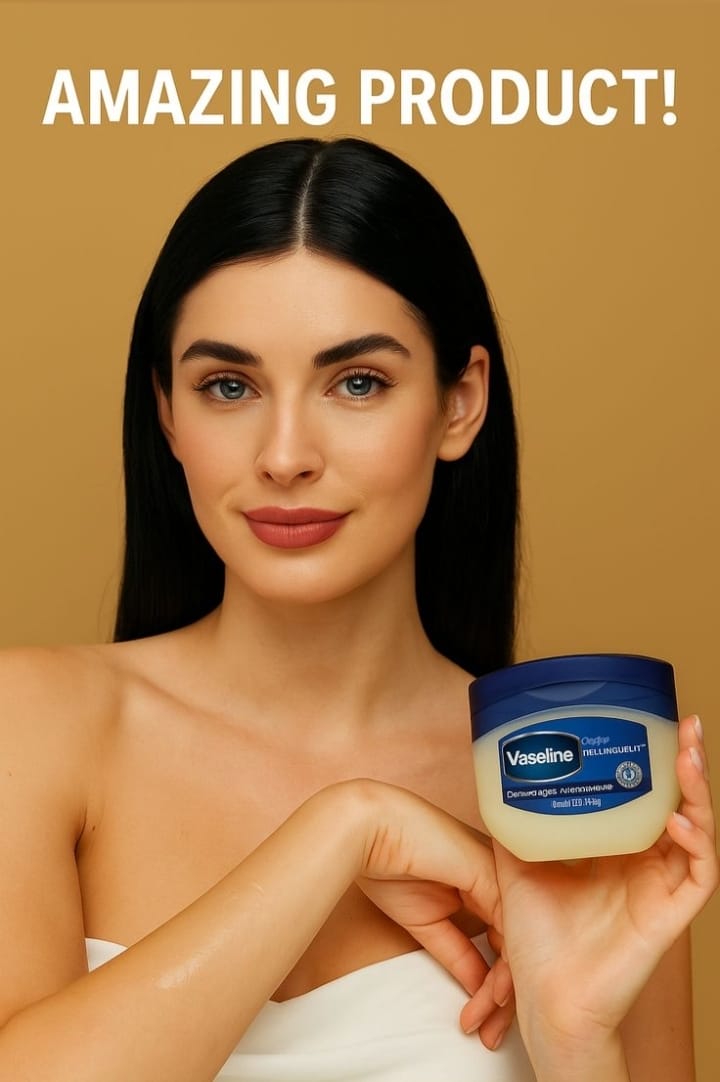
Dry Skin in Winter can be hard on the skin. One day, your skin feels fine, and the next, you notice flakes, tightness, and that “no lotion is working” feeling. If you’re dealing with Dry Skin, you’re not alone. This happens to people worldwide, even if you normally have “okay” skin.
In this guide for beauty and self-boosting, you’ll learn how to fix dry skin in a simple, practical way, using the right routine, smart skin care products, and a helpful occlusive like Vaseline for dry skin. We’ll also answer big questions like, does Vaseline heal dry skin, is Vaseline good for the face, and does Vaseline freeze?
Cold weather tugs wetness from the air. Indoor heating does the same. Add extra hand washing, long travels, and wind, and your skin barrier takes a hit.
Here’s what’s happening:
Additionally, hot showers and hot water can further strip your skin. The result is classic dry skin in winter, particularly around the nose, lips, legs, face, and hands.
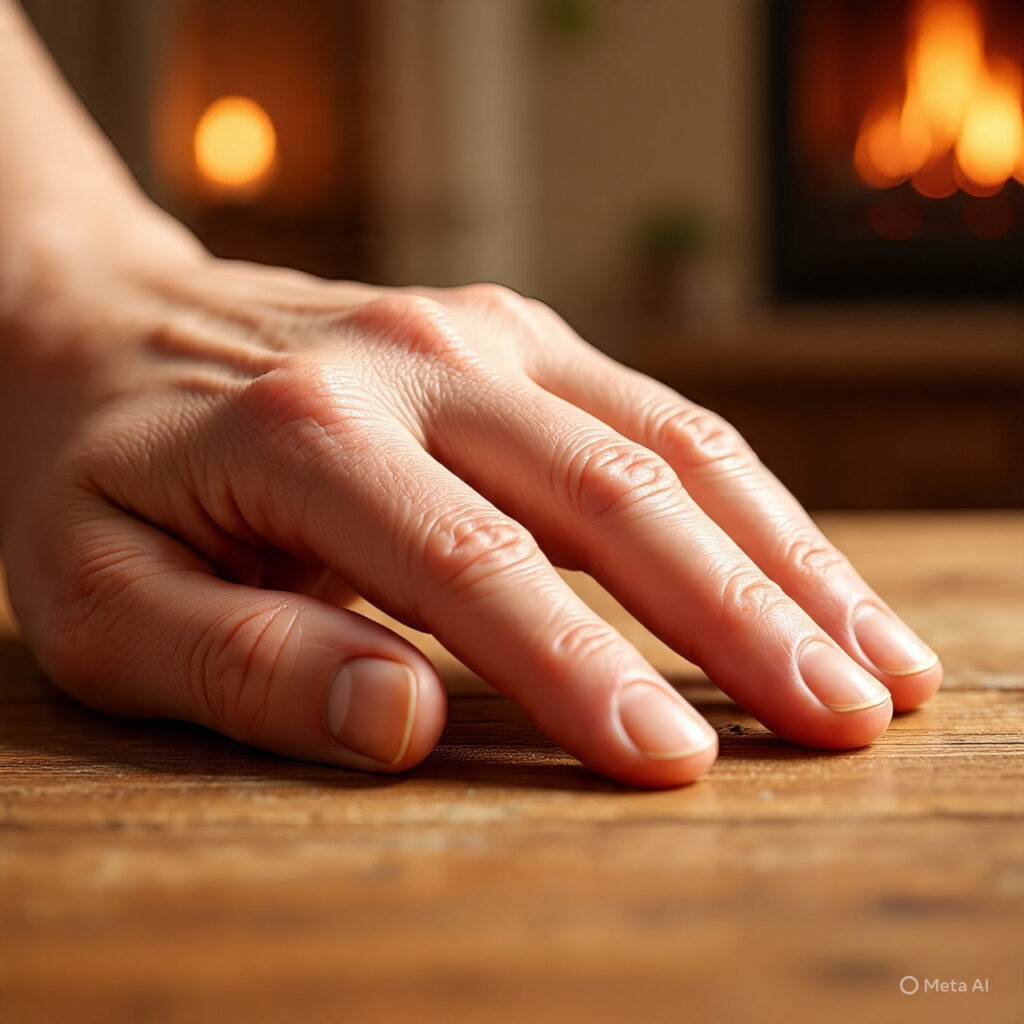
Not sure if you have dry winter skin? Look for these signs:
If your skin’s hydration sense disappears fast after washing, your barrier likely needs help, not just more product.
Quick self-check:
For true dryness, the goal is: lock in+ moisturize + hydrate.
People ask this a lot: Is Vaseline the same as petroleum jelly?
Yes, petroleum jelly is the product type (also called mineral jelly). Vaseline is a common brand of petroleum jelly.
So, when you see expressions like:
They’re talking about the same overall component category (petrolatum), just occasionally with different labelling or added ingredients in creams/lotions.
Let’s answer it clearly: Does Vaseline heal dry skin?
Petroleum jelly doesn’t “add water” to your skin by itself. What is actually fine is act as a stop, a defensive seal that slows water loss from the surface. That helps you feel softer, calm down, and your skin recovers.
Think of it like this:
That’s why applying Vaseline at the right time can make a big difference in treating dry skin, specifically in winter.
Below is a routine you can use worldwide, with most skin types. It’s reasonable and simply made for winter dryness remedies and winter skincare.

This is the fastest win for dry skin.
What to do:
Why it helps:
If your skin feels worse right after bathing, this tip matters even more.
This is a key rule for moisturizer after a shower.
Do this every time:
What to look for in moisturizers:
This step helps hydrate skin in winter and keeps your skin touch relaxed longer.
This is where Vaseline for dry skin really shines, especially if you’re looking for the best nighttime routine for extremely dry skin.
Try this simple layering method:
That last step is “slugging.” It’s a petroleum jelly nighttime routine that helps prevent water loss overnight.
How much to use:
This is how you seal in moisture with petroleum jelly without feeling overly greasy.
When skin is dry, many people exfoliate more, trying to “remove flakes.” But too much exfoliation can break the barrier and make dry winter skin worse.
In winter, keep it gentle:
A gentle cleanser for dry skin should feel soft and not leave that squeaky-clean close-fitting sensation. If something burns, stings, or makes your face red, it may be too strong for winter.
This tip helps you prevent dry skin as an alternative to continuously drying it.
Protect your moisture barrier:
These small habits decrease flare-ups of winter and dry skin over time.

Now the big question: is Vaseline good for the face?
For many people with sensitive skin or dry skin, it can be caring, specifically as a final seal at night. Dermatology supervision often recommends avoiding heavy stops on the face if you’re acne-prone, because it can activate breakouts for some people.
Here’s the safest way to use petroleum jelly for the face in winter:
Use petroleum jelly benefits in targeted acne:
This “spot-seal” method is often more relaxed than full-face.
If you break out easily:
Also, remember: the goal is not “more Vaseline.” The goal is better barrier support and less water loss.
People search for Vaseline face cream for winter because creams can feel lighter than pure jelly.
Simple evaluation:
If you’re very dry, moisturizer + a small amount of jelly on top works great.
If you’re a little dry, a richer face cream alone may be enough.
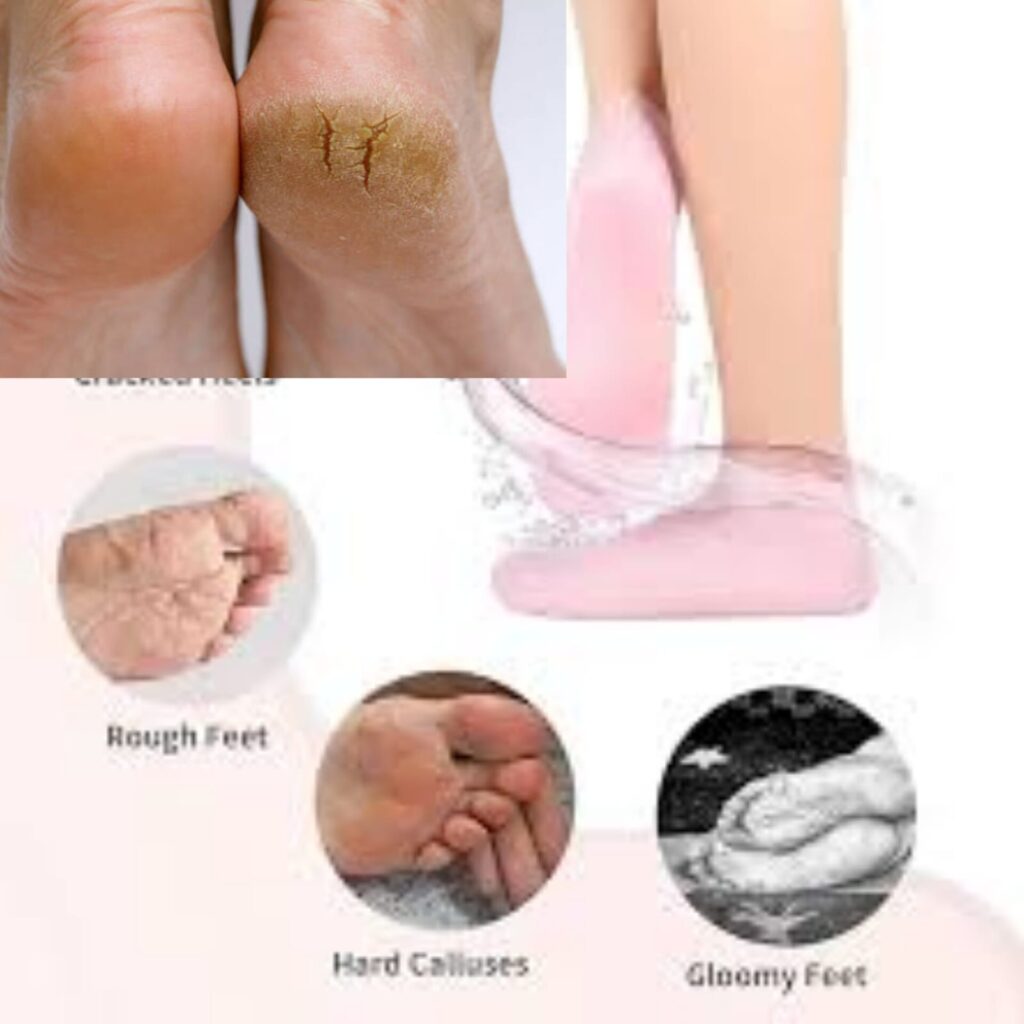
If you want fast results, use Vaseline for dry skin where the body gets rough and fractured.
These are classic “occlusive zones”:
Hands get hit hard in winter. Here’s a simple plan:
Wearing gloves outside reduces wind damage and helps hands stay comfortable.
For “how to soften cracked heels overnight”:
This is one of the most effective winter skincare routine moves for feet.
These areas often look “ashy” or rough in winter.
This works well for rough texture and visible dryness.
If you’re doing “everything” but still struggling, one of these may be the reason:
A simple routine done daily hits a complex routine done once in a while.
Many safety data sheets list petrolatum’s freezing point as “not applicable” and a melting point range around ~38–55°C, meaning it usually just gets stronger in the cold rather than “freezing” like water.
So yes, does Vaseline freeze? It’s a fair question, but in real life, it usually just becomes thicker/stiffer when it’s very cold.
Pros
Cons
So, is Vaseline good for the face? Often, yes, for dry skin, just use it energetically.
Consider medical help if:
Many people are concerned about this. Dermatology supervision notes that some acne-prone people may break out from face use, so it’s best to be thoughtful if you’re acne-prone.
If you want to try it anyway, do the patch challenging and spot-use only.
Yes, many people do, especially as the final step after moisturizer (a gentle “slugging method winter skincare” approach). Keep the layer thin and avoid heavy use if you’re acne-prone.
Both can matter:
If you only use petroleum jelly on dry skin without hydration underneath, it may feel heavy but not solve dryness fully.
After. For best results, moisturize within a few minutes of showering while skin is still slightly damp. That helps keep skin hydrated and reduces that tight feeling.
Most causes come down to:
That’s why the routine above focuses on gentle cleansing, fast moisturizing, and sealing.
No comments yet. Be the first to comment!
You must be logged in to post a comment.

Recent Comments