
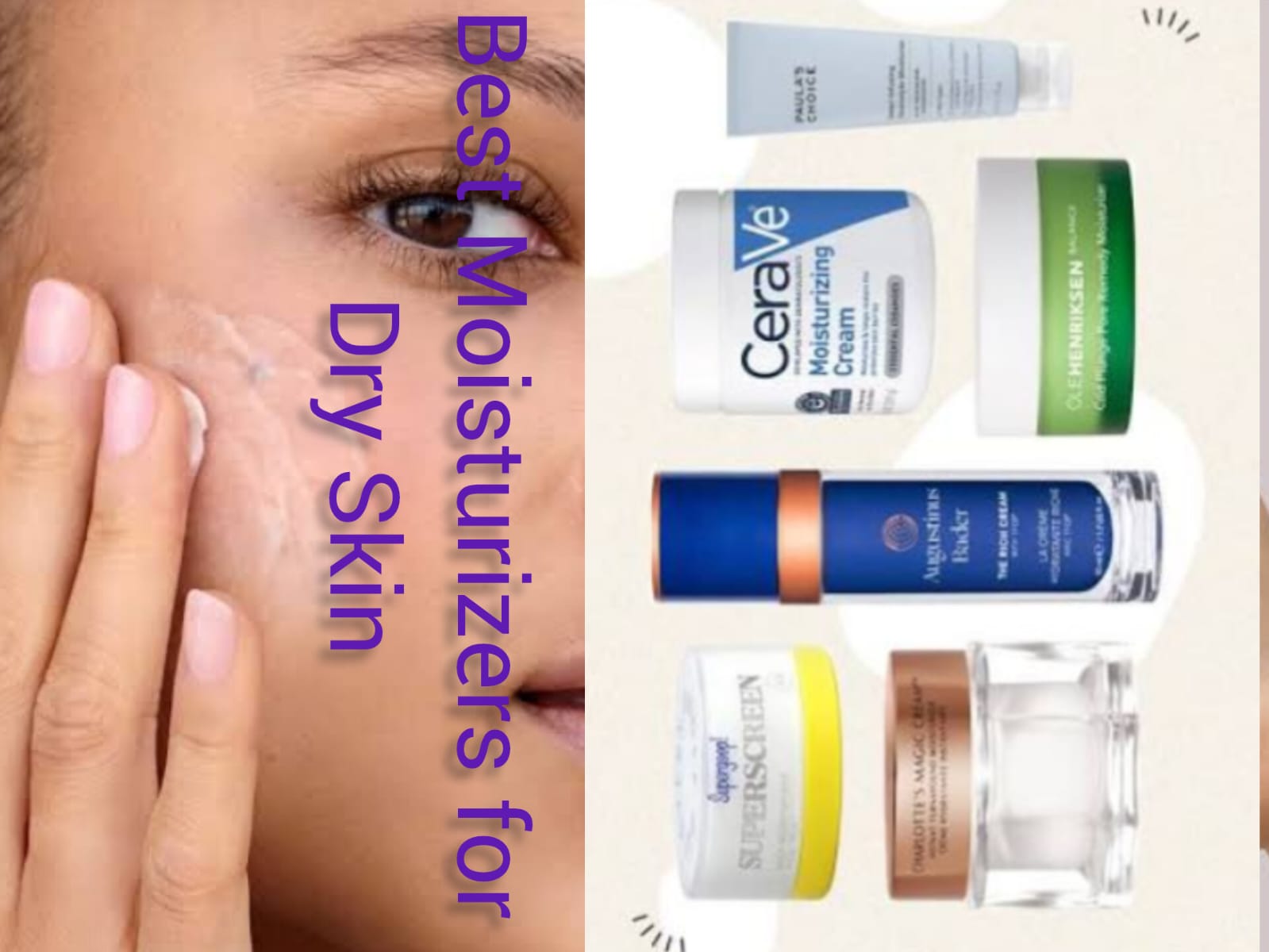
Every year, I think, this winter won’t be that bad.
And every year, my skin proves me wrong.
The first real cold week arrives, and rapidly, my face feels fit when I smile. My hands look soft no matter how much lotion I use. My legs’ texture dries five minutes after pouring. It’s like humidity just wastes away.
Winter has a quiet way of demanding skin. Cold wind strips natural oils. Indoor heating dries the air. Hot showers, which feel amazing, make things worse. You don’t post its stylishness day by day, but the skin barrier gradually weakens. And once that barrier weakens, water escapes faster than your moisturizer can replace it.
That’s when random lotions stop working.
A proper moisturizer for dry skin in winter isn’t about luxury. It’s about function. It needs to pull hydration in, even in uneven patches, and lock moisture in so it doesn’t disappear by lunchtime. Some creams hydrate beautifully but disappear. Others sit fat on top and do nothing. The right formulation does both jobs at once.
This guide isn’t a beauty ad. It’s a beginner’s manual for winter skin. Face creams, body lotions, thick night creams, lightweight daytime options, the best moisturizer cream for dry skin, and the best lotion for dry skin that people repurchase because they actually hold up in cold weather.
If your skin turns peely every winter, you’re in the right place.
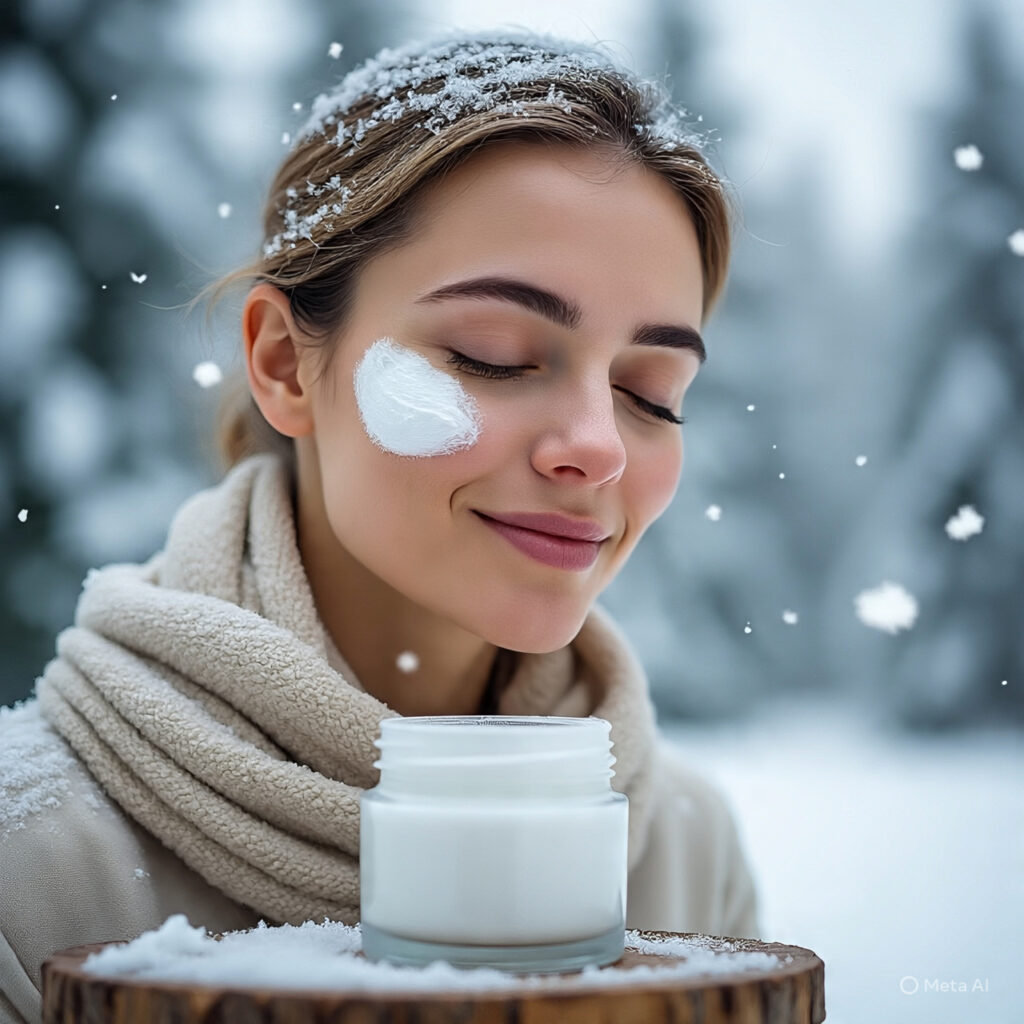
Some readers don’t want a long clarification. They just want names that work. These products show up again and again in dermatologist offices and dry-skin communities for one reason: they’re reliable.
| Product | Best for | Texture | Key ingredients | Price |
| CeraVe Moisturizing Cream | Barrier repair | Thick cream | Ceramides, glycerin | $$ |
| La Roche-Posay Lipikar | Eczema-prone | Balm | Shea butter | $$ |
| Neutrogena Hydro Boost | Lightweight face | Gel-cream | Hyaluronic acid | $ |
| Eucerin Advanced Repair | Rough body skin | Cream | Urea | $$ |
| VaniCream Moisturizing Cream | Sensitive skin | Dense cream | Petrolatum | $$ |
| Aveeno Eczema Therapy | Itchy skin | Cream | Oat extract | $$ |
If dry skin had a uniform, it would wear CeraVe.
No fragrance. No marketing fluff. Just ceramides transform the fence, and glycerin carries profound hydration. It doesn’t feel decorative. It feels reliable. Within days, skin feels smoother and less sensitive. That’s why it silently holds the title of best moisturizer for dry skin for so many people worldwide.
Kiehl’s Ultra Facial Cream performs like winter armor. It defends without overpowering. Wind doesn’t sting as much. Makeup sits more smoothly. Flaking around the nose vanishes. A true face moisturizer for dry skin, not a beautifying layer that disappears by noon.
Some people hate heavy creams. If thick textures bother you, Neutrogena Hydro Improvement feels like water but hydrates extremely. A perfect face lotion for dry skin under makeup.
Eucerin Advanced Repair is for cracked, sandpaper legs and elbows. Urea relaxes rough feel fast. Not glamorous. Just cruelly effective.
Summer dryness is mild compared to winter.
Cold air holds less humidity. Indoor boilers strip moisture from everything in the room. Skin is continuously losing water. Add hot showers and harsh soaps, and the barrier starts breaking down layer by layer.
When the barrier weakens, skin can’t hold hydration. That’s when you feel tightness, itching, peeling, and irritation that even lotion can’t fix.
Winter skincare is less about beauty and more about physics.
People complain about this every year.
A moisturizer cream for dry skin contains more oils and stops. It stays on the surface longer and seals hydration. The best lotion for dry skin is lighter and absorbs faster, which makes it better for daytime or layering under clothes.
Most dry-skin routines need both. Lotion for daytime comfort. Cream at night for repair.
Moisturizers aren’t magic. They’re chemistry.
Humectants (hyaluronic acid, glycerin) pull water into the skin
Emollients (shea butter, oils) smooth cracks
Occlusives (petrolatum, silicones) seal moisture
Remove one group and hydration leaks. The best winter moisturizers combine all three.
Use lukewarm water. Hot water feels soothing but strips oils. Apply moisturizer while skin is a touch damp so hydration gets stuck privileged. If you wear makeup, wait a minute before foundation. Rushing causes pilling.
Night is repair mode. This is when heavy creams shine. Ceramides stop rebuilding the barrier while you sleep. A proper night cream should feel dense, nearly like a cover.
Thin layers win. Too many products, sliding, and flaking. Hydrated skin grips foundation better.
Moisturize within one minute of walking out. Damp skin absorbs lotion dramatically better than dry skin.
These areas need thick stop creams overnight. Petrolatum works like a healing bandage.
Fragrance-free formulas with oatmeal calm frustration fast.
Use comfortable creams and gentle exfoliation once weekly.
Switch cleansers. Your soap is stripping oils.
Apply defensive cream before going outside.
This part surprises people.
Long hot showers feel good, but terminate the barrier. Harsh towels scrape skin. Skipping moisturizer after washing gives water time to vanish. Indoor heating without a humidifier dries skin overnight.
Even dehydration plays a role. Drinking water won’t medicate dryness, but it supports skin recovery.
Not overnight.
Most people see improvement in 7–10 days. Full barrier recovery can take 2–3 weeks with reliable moisturizing. The keyword is reliable.
Skipping days resets progress.
One with ceramides, glycerin, and occlusives that repair the barrier.
Twice daily minimum.
Cream at night, lotion during the day.
No comments yet. Be the first to comment!
You must be logged in to post a comment.

Recent Comments