
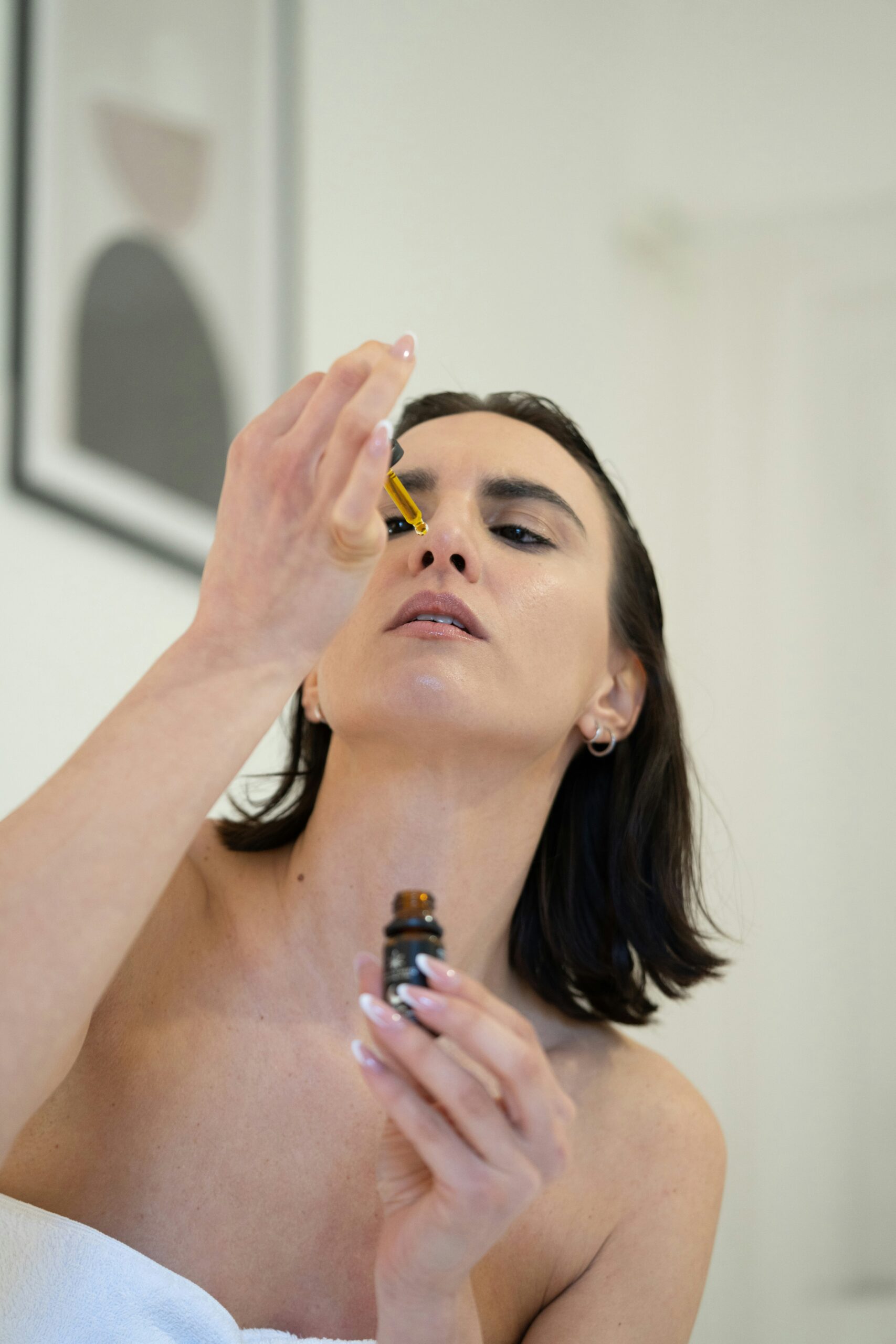
Best 4 Toners for Oily Skin face looks shiny by noon, your pores feel “stuck,” and pimples show up precisely when you need clear skin. Your routine might be missing one simple step: toning for oily skin. A well-made face toner for oily skin can boost unwanted grime after cleansing, help rearrange pH balance, and support the skin barrier so your skin doesn’t exaggerate with even more excess sebum. Many modern toners are no longer astringent or stripping; they’re often alcohol-free, fragrance-free, and constructed to be peaceful while they simplify.
This landing page for beautyandselfboosting pauses down four toner “types” that work worldwide, so you can choose the right one, whether your combination is acne-prone, oily, or sensitive.
Fence to the toner type that contests your skin:
Note: “Top rated” should mean the formulation fits your skin and you can use it steadily without frustration, not just viral hype. (More on that in the FAQ.)
Let’s clear a common myth: oily skin doesn’t need “more drying.” It needs stability. What toner does for your skin depends on the formula, but the best toners typically do three things:
So yes, toning for oily skin can be the difference between “clean but greasy” and “clean and calm.”
Selecting a recommended toner for oily skin is relaxed when you match ingredients to problems: dehydration, sensitivity, oil, pimples, or clogged pores.
If your production with clogged pores, whiteheads, pimples, and blackheads looks for:
Red flags for oily + acne:
If your face gets red, itchy, or stings easily, prioritize toners for sensitive skin that are:
Sensitive skin can still be oily. Your goal is oil control without harm.
A hydrating toner for sensitive skin should give water back to the skin while with respect to the barrier. Look for:
This is particularly helpful if you use acne products that dry you out.
A hyaluronic acid toner is a smart choice when you feel oily and tight at the same time (classic dehydrated-oily skin). Hyaluronic acid hydrates without heaviness and is commonly pronounced as non-comedogenic and lightweight for oily types.
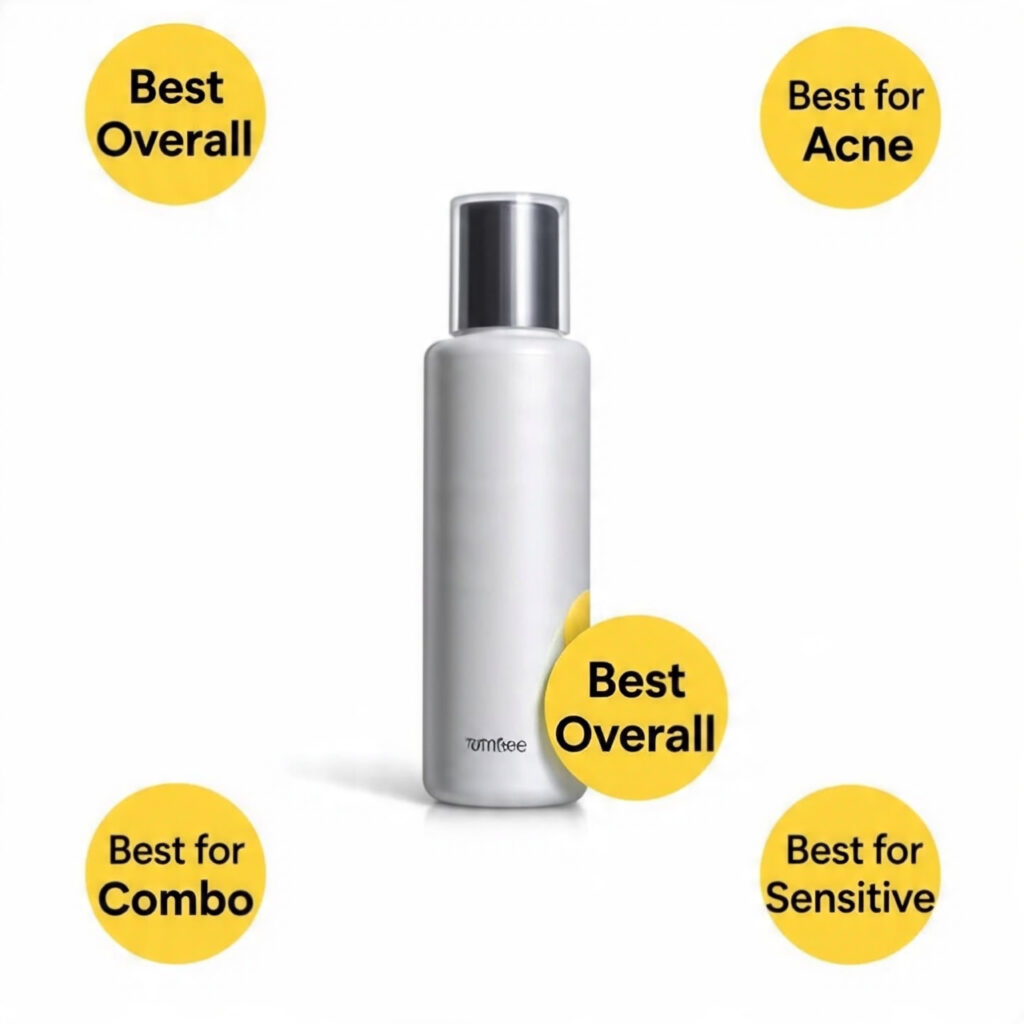
Below are four “best-for” toner profiles you can shop worldwide. When you’re looking at products, match the label and ingredient list to the profile that fits your face.
Best for: daily oil balance + pore refining without dryness
Key ingredients: niacinamide, green tea, gentle humectants, optional low-dose AHA
Texture: lightweight, water-like, or light spirit
Why it works: This profile marks oil control and shine control while charging your skin barrier comfortably. Niacinamide supports a smoother look and helps decrease that “fatty by noon” feeling over time. Green tea adds a soothing layer, which helps if your breaks come with redness.
Pros:
Cons:
How to use:
Use once daily for the first week. If your skin stays calm, move to morning + night.
Best for: acne control, mark control, blocked pores, repeated pimples
Key ingredients: BHA (salicylic acid), optional low-dose glycolic acid, zinc PCA
Texture: clarifying liquid (sometimes called clarifying toner or exfoliating toner)
Why it works: For a true toner for acne-prone skin, salicylic acid is often the MVP because it can help reduce extra sebum and keep pores stronger. This profile is your best friend when your main issues are clogged pores, blackheads, and irritated breakouts.
Pros:
Cons:
How to use (BHA pore-clearing routine):
Quick tip: If your skin is sensitive, keep this toner simple: one main acid + soothing base. Too many activities can backfire.
Best for: oily but sensitive, redness-prone, easily irritated skin
Key ingredients: hyaluronic acid toner base, green tea, chamomile, glycerin, aloe vera
Texture: hydrating watery toner or light milky toner
Why it works: A great hydrating toner for sensitive skin gives hydration without clogging pores and focuses on comfort. Dermatology-driven beauty supervision commonly points sensitive users toward gentle, hydrating ingredients like hyaluronic acid and calming botanicals such as chamomile.
Pros:
Cons:
How to use:
Morning and night, particularly after cleansing. If you’re very oily, follow with a light gel moisturizer.
Best for: combination skin that becomes oily in the T-zone but normal in other places
Key ingredients: niacinamide + gentle AHA/PHA (optional) + humectants
Texture: light spirit or corresponding toner
Why it works: The best skin toner for combination skin balances without stripping. You can even apply it “zone-style”, more on the T-zone, less on the cheeks. This helps reduce shine where it matters while avoiding dryness where you don’t need it.
Pros:
Cons:
How to use:
Apply a thin layer everywhere, then add a second layer only to the T-zone if needed.
Here’s the simple order that works for most people worldwide:
AM Routine
Cleanser → face toner for oily skin → serum (optional) → lightweight moisturizer → SPF
PM Routine
Cleanser → toner → acne treatment (if you use one) → moisturizer
Two application methods:
If your toner is exfoliating (AHA/BHA), start slow—2–3 nights weekly.
When people search for face toner before and after, they usually want truthful timing. Here’s the authentic version.
Week 1:
Week 4:
Most problems come from doing too much, too fast:
If your skin burns, flakes, or gets very red, pause actives and switch to a hydrating, barrier-first toner.
Face toner for oily skin: which one is best?
The best face toner for oily skin is one you can use reliably: oil-free, non-comedogenic, and corresponding to your main issue (shine vs pimples vs sensitivity).
Top-rated skin toner: what makes a toner “top-rated”?
A top-rated skin toner typically has (1) a gentle base, (2) proven actives at sensible strength, and (3) high user approval without frequent irritation, meaning people finish the bottle and repurchase.
Toners for sensitive skin: what should I avoid?
With toners for sensitive skin, avoid heavy fragrance, high alcohol, and stacking too many acids. Gentle, soothing fixings are often better tolerated.
Hydrating toner for sensitive skin: can it still control oil?
Yes. A hydrating toner for sensitive skin can reduce “dehydration rebound,” where skin produces more oil because its absences water. Hydration + barrier support often improves shine over time.
Toner for acne-prone skin: salicylic vs glycolic, what’s better?
For active acne and oily pores, salicylic acid is often the better first choice because it targets extra sebum and congestion. Glycolic acid is great for surface feel and post-acne marks.
Hyaluronic acid toner: will it make oily skin greasier?
Usually, no. A hyaluronic acid toner hydrates without the addition of oil, and hydration can really help reduce oil overproduction in some people.
Do I need toner every day, or only when I have breakouts?
For most oily skin types, daily use of a gentle toner helps preserve reliability. If you’re using an exfoliating toner, use it 2–4 times weekly and keep the rest of your days hydrating.
Can toner shrink pores permanently?
Toner can’t change your genetics, but it can make pores look smaller by keeping them cleaner and reducing oil buildup, which improves pore appearance.
No comments yet. Be the first to comment!
You must be logged in to post a comment.

Recent Comments